The İzmir International Fair in Salt Research Collections
July 3, 2026
Salt Research documents the socio-economic transformation of Turkey and its surrounding region through a continuously expanding collection of rare photographs, publications, and urban history sources. Within this comprehensive collection, resources on the international fairs organized or attended by Turkey over the past century offer a valuable window into the country’s socio-economic and cultural evolution. Moreover, they enable us to trace the economic and cultural ties established with other nations since the Late Ottoman and Early Republic periods.
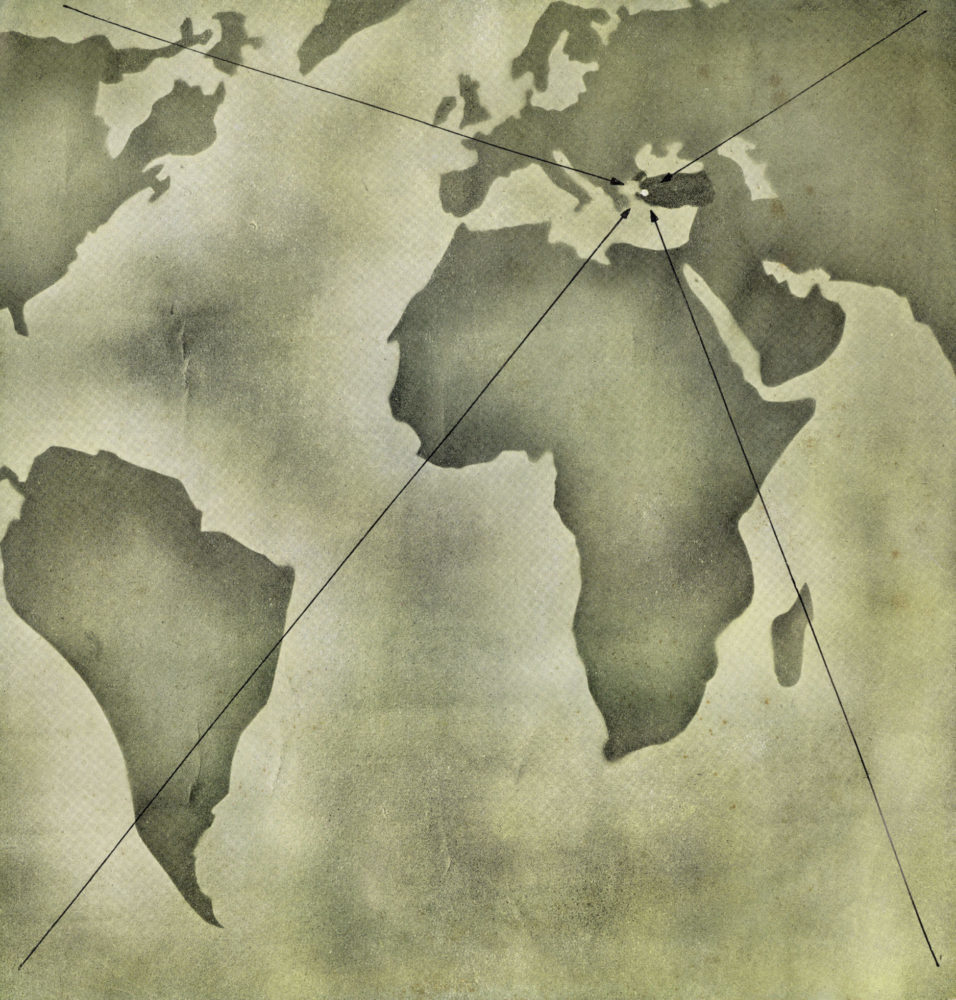
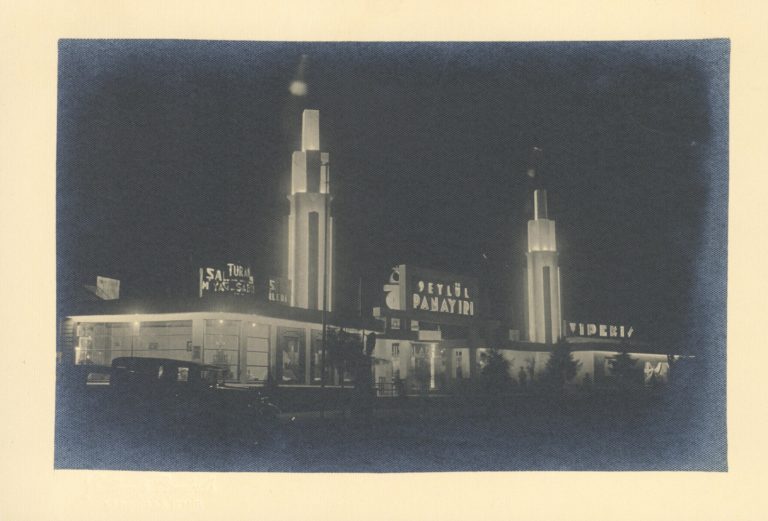
Described as the young Republic’s first and largest gateway to the world, the İzmir International Fair remains a key focus area for Salt Research. In line with our collection development policy, we significantly enriched our collection at the beginning of the year by acquiring over fifty new books and brochures. These materials expand our existing resources on the fair, which holds a rich social and architectural place in both İzmir’s urban history and Turkey’s exhibition culture. In this post, we will cover the history of the İzmir International Fair and highlight the diverse resources available to researchers within Salt Research’s collections.
Salt Research, Photographs and Postcards Archive
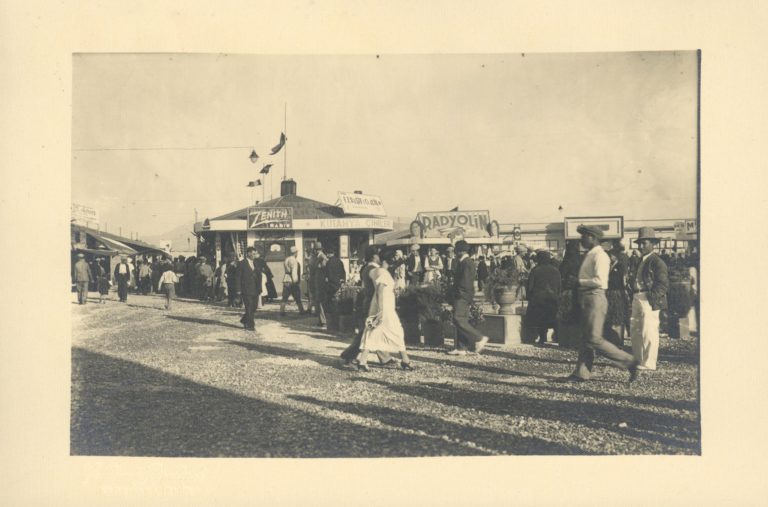
The roots of the İzmir International Fair trace back to the İzmir Economic Congress, held eight months before the declaration of the Republic. In this historic congress that shaped the economic plans of the newly forming Turkey, the foundations of a new economy aimed at national development were laid through the unanimously accepted Misak-ı İktisadi (Economic Pact) principles. The Economy Exhibition, set up by decorating the interior and exterior of the Ottoman Bank warehouse (Hamparsumyan Building) where the congress was held, was the first major step toward the Fair. Featuring various national products from Uşak carpets to Aegean tobacco, figs, and cotton, and from domestic industrial goods to agricultural tools, this exhibition was critical for reflecting the production potential of the young Republic.
Salt Research, Photographs and Postcards Archive
To overcome the destruction of the war and the stagnation brought by the subsequent global economic crises, this initiative became the most visionary move to stimulate domestic production and open up to the external world. Accordingly, following the Economic Congress, the “September 9 Exhibition” was organized in 1927. Taking place under different names in the following years, such as the “International September 9 Fair” and the “Inter-nation İzmir Fair,” this organization became one of the strongest symbols of the city of İzmir from its very beginning.
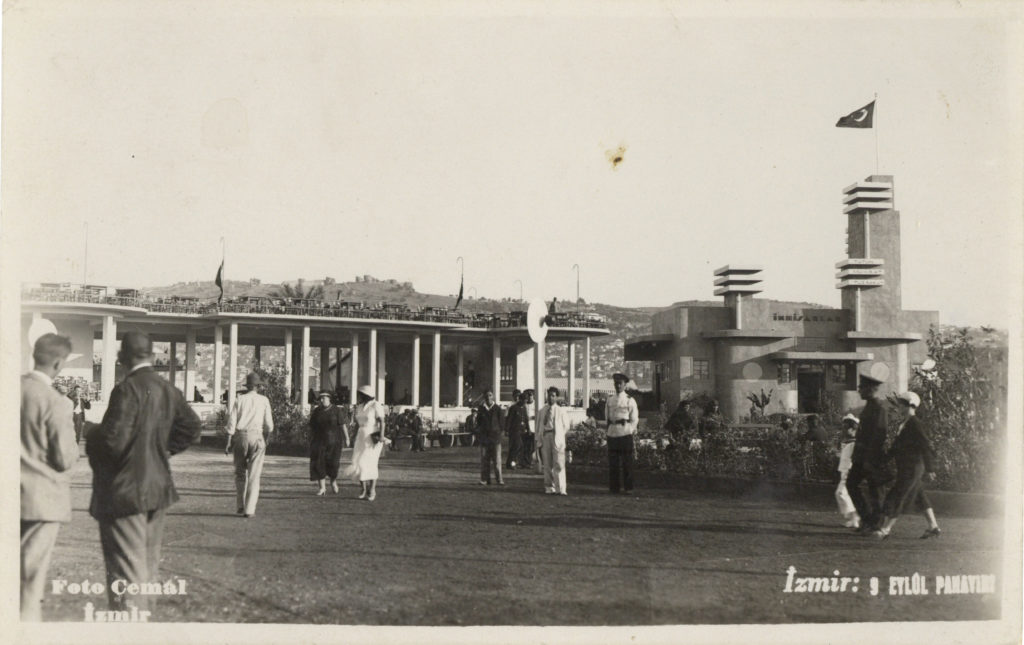
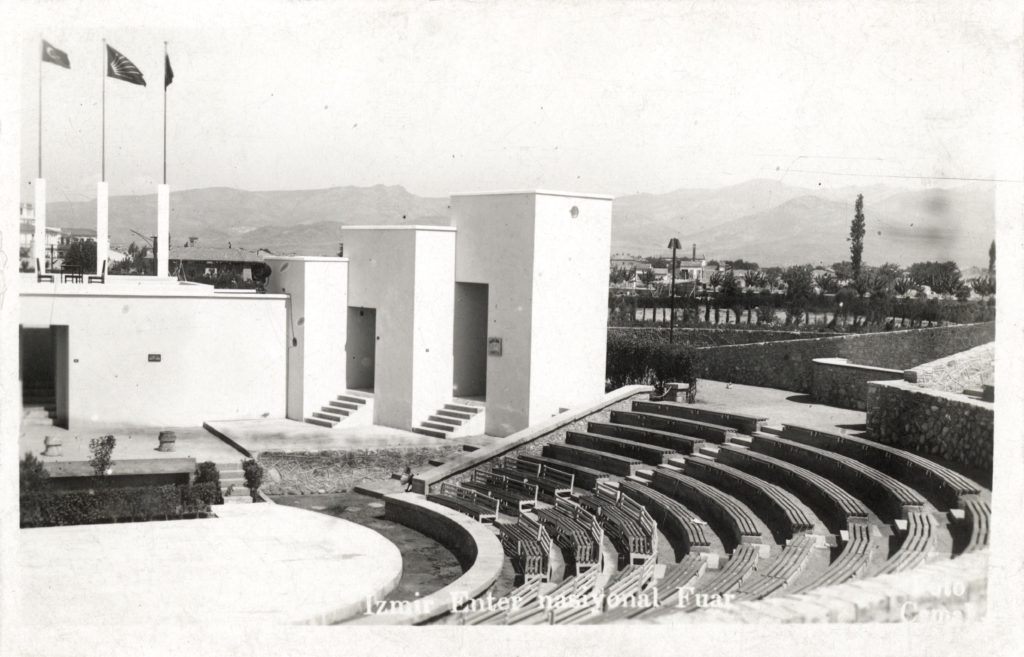
Kültürpark, Open-Air Theatre
Salt Research, Photographs and Postcards Archive
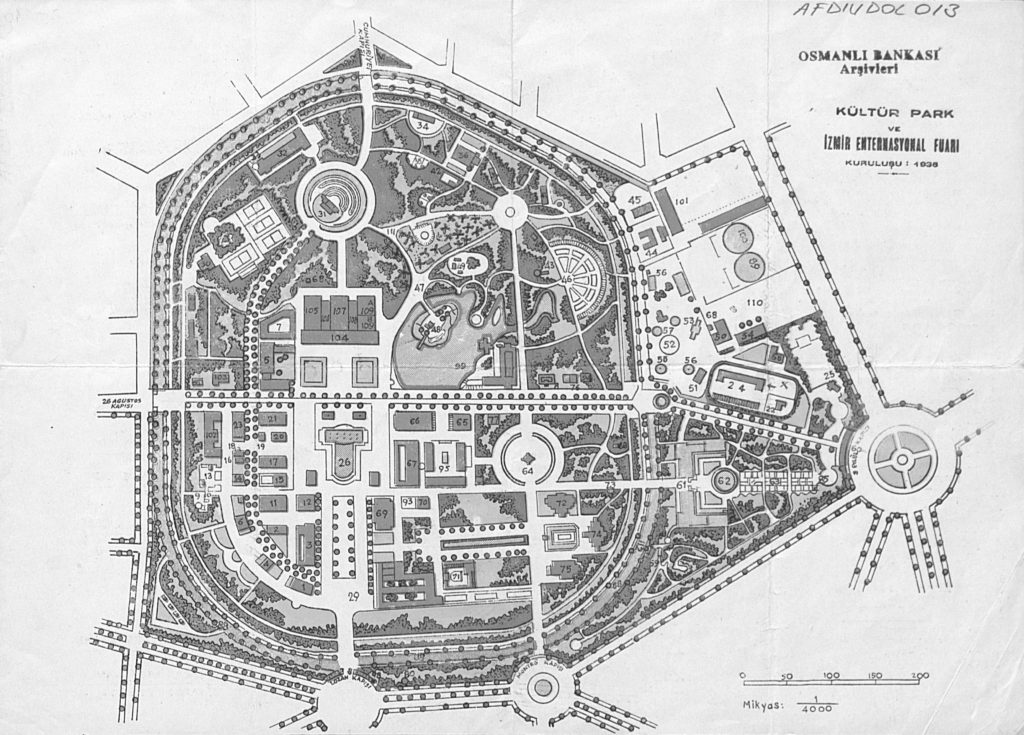
By the 1930s, İzmir was undergoing a socio-economic and urban transformation designed to showcase the identity of the modern new country. The 1925 Danger-Prost plan, created to rebuild the city with a modern approach, laid the groundwork for the construction of the İzmir Fair and Kültürpark. Designed with a classical French urban planning approach, this plan featured intersecting wide boulevards and public spaces, while introducing large green areas, parks, and venues for cultural and education activities around the Fair.
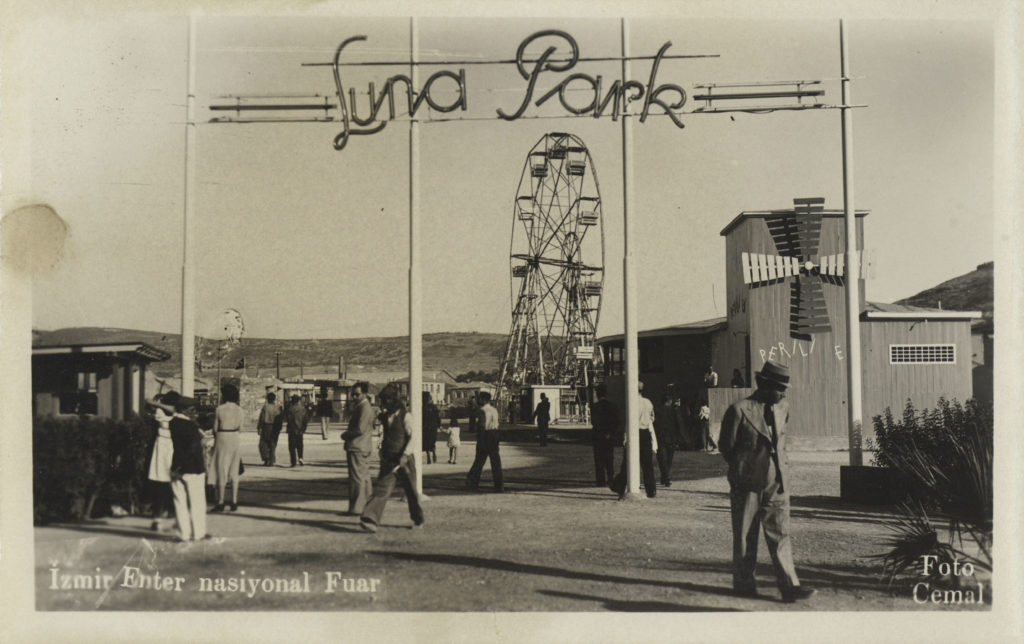
Kültürpark, Fun Fair
Salt Research, Photographs and Postcards Archive
This visionary planning completely transformed the area that the great İzmir fire of 1922 had destroyed and left abandoned under debris for years. Rising from the ashes, Kültürpark became the permanent home of the Fair. This deep-rooted organization, which has been held every year since its establishment without losing any of its initial excitement and has become identified with both the city and collective memory, continues to be the strongest symbol of Turkey’s economic and cultural bonds with the world.
Kültürpark and İzmir International Fair Plan
Salt Research, City, Society and Economy Archive
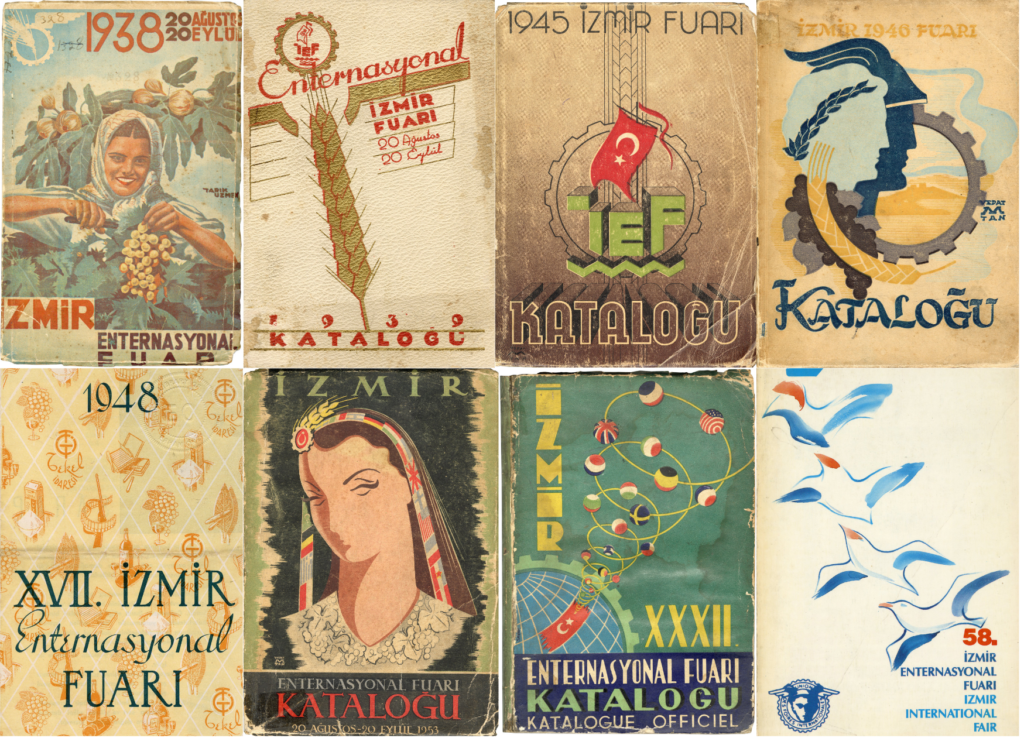
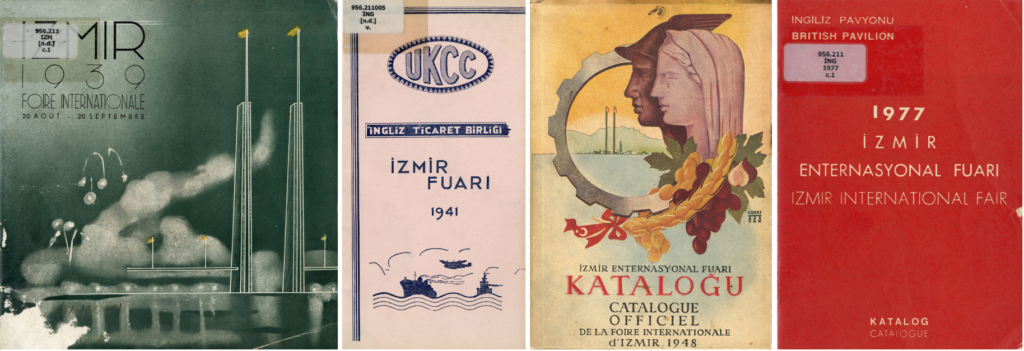
The resources at Salt Research offer a wide variety of materials that allow us to follow the fair’s journey from its founding to the present day. The first step of this collection consists of brochures and catalogs published within the scope of the fair by the Izmir Municipality Fair and Tourism Directorate. These catalogs enable us to see the institutional structure and program of the fair during those years. Each catalog begins by presenting the opening speeches of that year and conveying the history of the İzmir Fair. In addition to local and foreign participants and the products exhibited, their contents include advertisements and sometimes information regarding the closing ceremonies. Therefore, these brochures and catalogs serve as highly important reference sources for examining the history, participant profile, and activities of the fair.
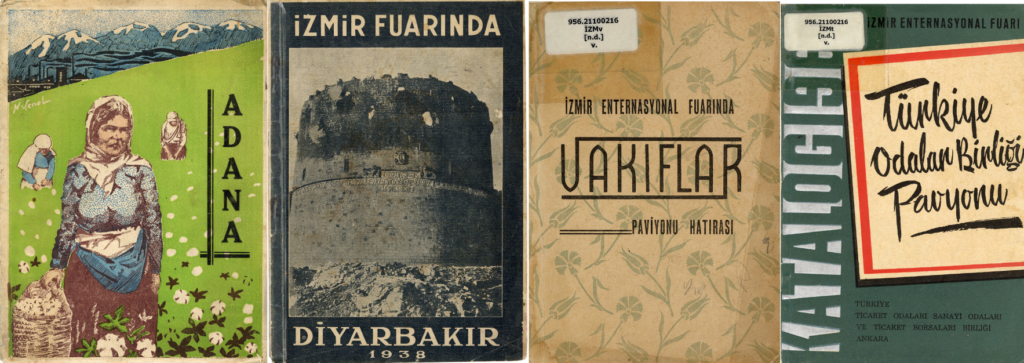
Beyond these institutional publications, the digital collection also documents the fair’s cultural and economic impact on a national scale. The fair features special pavilions set up by cities and local producers from all over Turkey to promote their own industries and cultures. The host cities and producers of these pavilions prepared unique booklets and brochures to be distributed during the fair. These publications cover a broad range of topics, from the brief history of the cities to their natural beauties, historical monuments, and tourist and socio-cultural activities. Serving as documents of urban history, these publications also list the goods produced in those cities, industrial facilities, and the prominent commercial enterprises of the area.
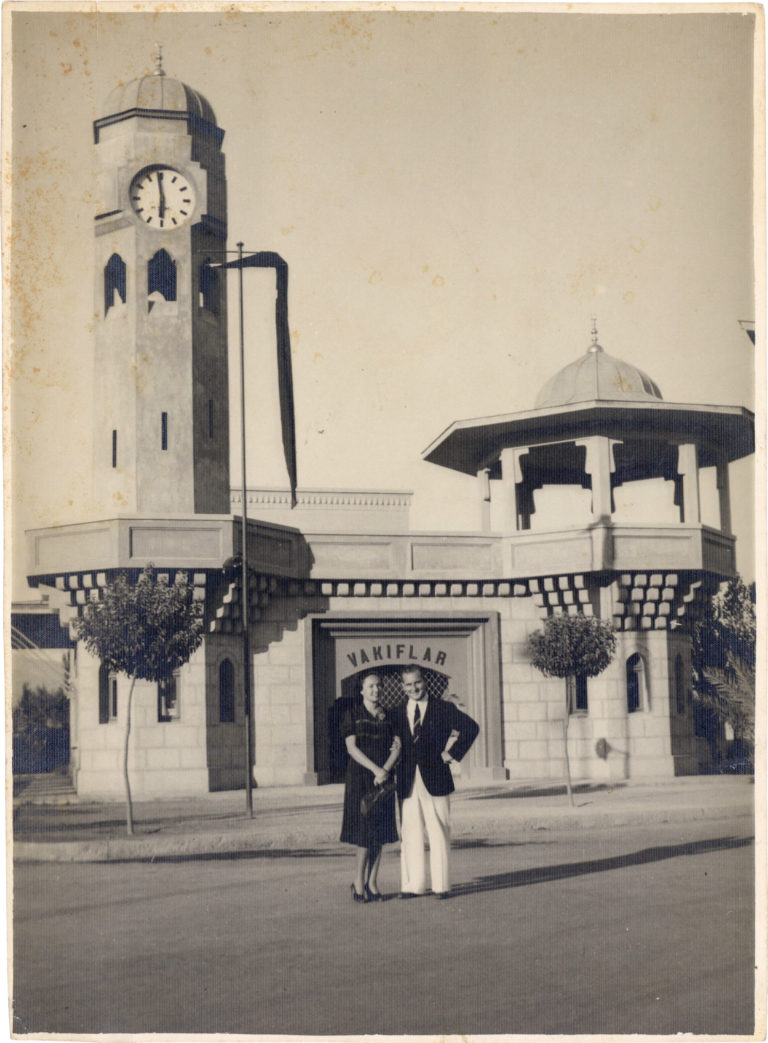
İzmir International Fair, Vakıflar Pavilion
Salt Research, Photographs and Postcards Archive
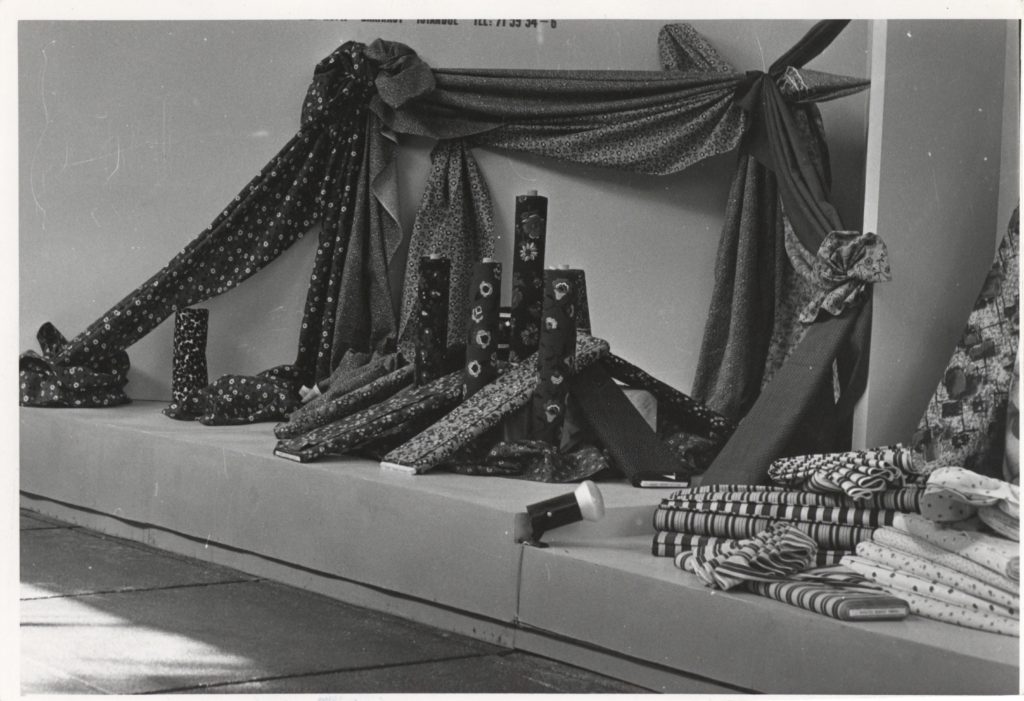
İzmir International Fair, Sümerbank Pavilion
Salt Research, Photographs and Postcards Archive
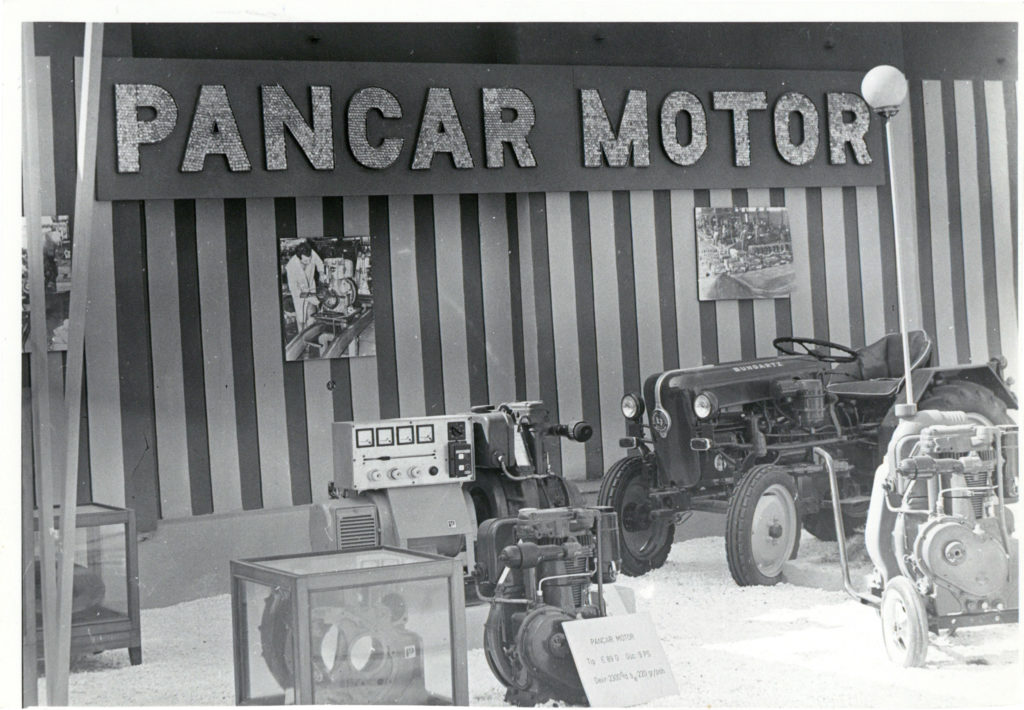
İzmir International Fair, Pancar Motor Pavilion
Salt Research, Photographs and Postcards Archive
We can observe the international side of the fair through the unique booklets published by countries from all over the world to introduce their own production and technologies. These publications contain information about the participating countries’ commercial and cultural relations with Turkey, product advertisements, lists of participants, and the goods they exhibited at the fair.
Combined with archival documents and photographs, the resources in Salt Research’s collections serve as an important reference point for anyone wishing to research and learn about İzmir’s urban memory, Turkey’s modernization journey, and economic history. You can access the Salt Research collection at saltresearch.org, and the photographs and documents via archives.saltresearch.org. You can also examine this special selection, enriched with the newly added publications to the collection, on the exhibition shelves in the Salt Research Gregory M. Kiez Hall. We invite researchers and enthusiasts to explore our collection to follow this significant period of urban and national memory through printed resources and digital archives.
Bibliography
Aksoy, Yaşar, Neşe Yurdkoru Özgünel, der. 70 Yıllık Sevda: İzmir Fuarı. İzmir Büyükşehir Belediyesi Yayınları, 2001.