Emilie Haspels: Rediscovering the Legacy of a Pioneering Female Archaeologist
June 4, 2026
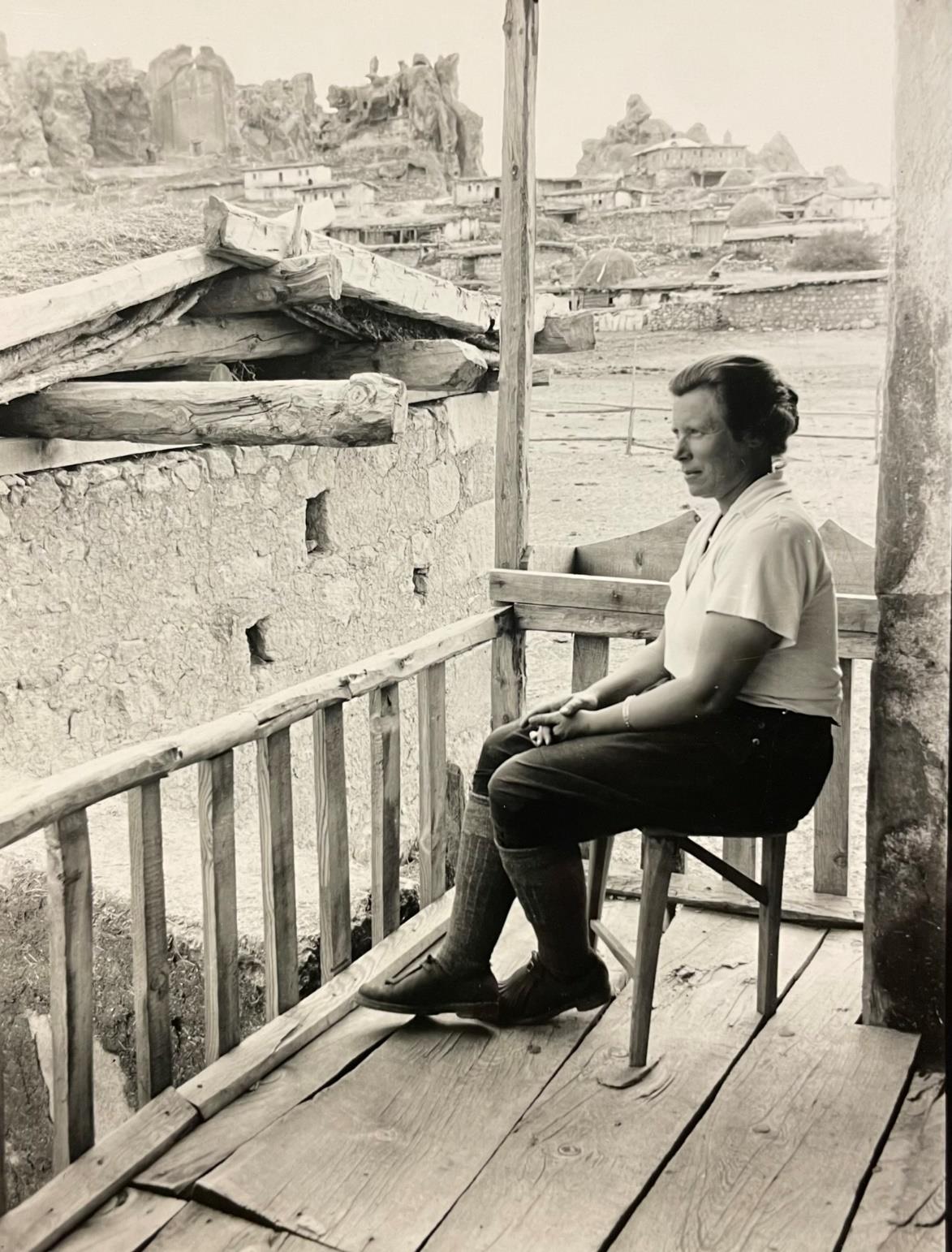
Emilie Haspels on the balcony of her house in Yazılıkaya Village. Allard Pierson Museum Archive.
In the spring of 1937, a fiercely independent Dutch archaeologist arrived in the rocky highlands of central Anatolia and became deeply captivated by the region. Her bond with the region lasted for the rest of her life.
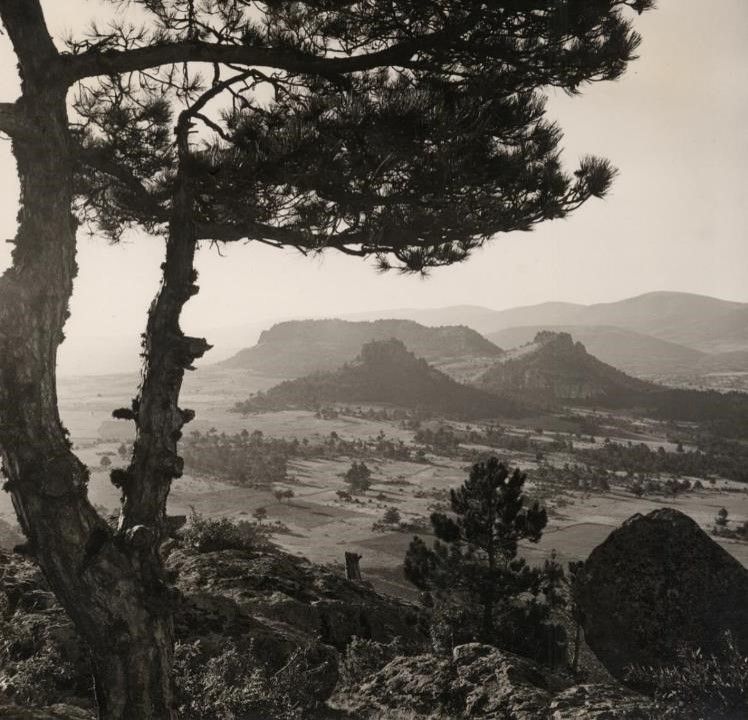
Gökgöz, Pişmiş, and Kocabaş fortresses seen from Akpara Kale. Allard Pierson Museum Archive.
Caroline Henriëtte Emilie Haspels (1894-1980) broke new ground in Dutch archaeology as the first female professor of archaeology at the University of Amsterdam and the first woman to direct the Allard Pierson Museum. After studying in Oxford and Athens, she was invited by the French Archaeological Institute in Istanbul to lead excavations at Midas City, known as Yazılıkaya, in today’s Eskişehir province in central Anatolia. From 1937 to 1939, she led five excavation campaigns until the outbreak of World War II interrupted her work. Unable to leave Türkiye during the war, she spent six years in Istanbul before returning to the Netherlands to take up her professorship. Still, her connection to the highlands remained strong.
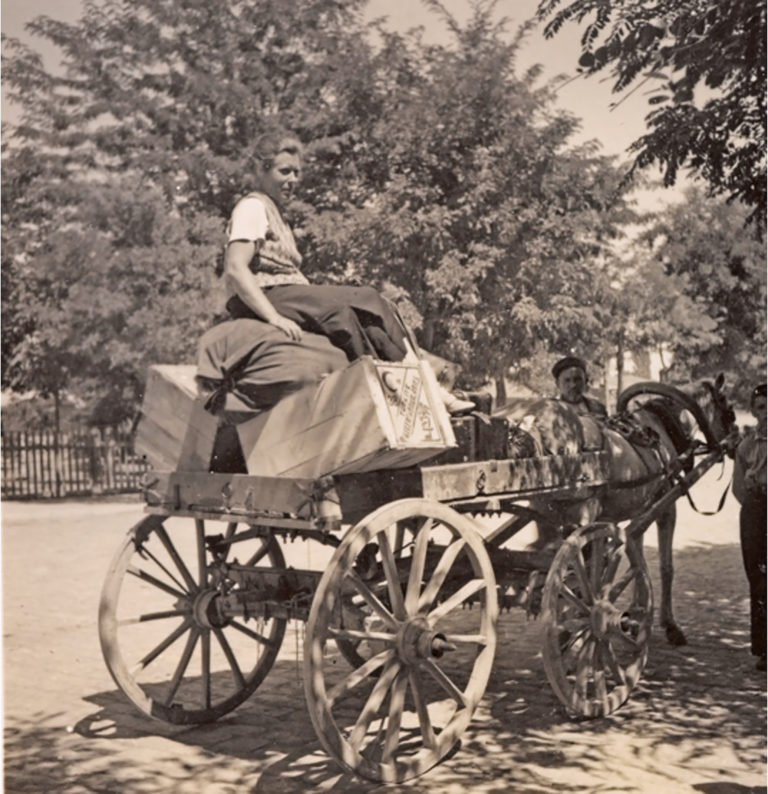
Emilie Haspels is traveling on a horse cart. Allard Pierson Museum Archive.
From 1946 to 1958, Haspels organized four survey expeditions in Phrygia, retracing the paths of nineteenth-century European travelers. She first set out to publish her findings on Phrygian fortresses and religious rock-cut monuments, but as she discovered increasingly significant material, she expanded her research. She had to face many difficulties throughout these years, traveling by horse cart, sometimes alone or with just one assistant, and often with few supplies. She systematically recorded archaeological remains she came across. In her seminal 1971 publication, The Highlands of Phrygia: Sites and Monuments, she wrote, “I had to record what I found. I am the last of the travelers.”* This two-volume work is still the only complete study of the Phrygian Highland monuments and preserves the memory of sites that have since disappeared.
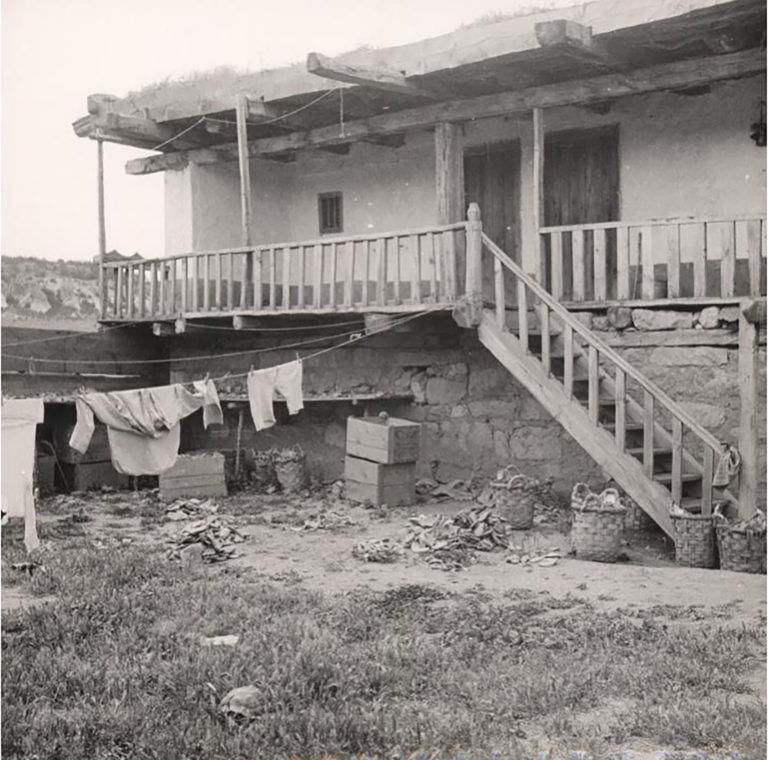
Emilie Haspels’ house in Yazılıkaya Village. Allard Pierson Museum Archive.
During her fieldwork, Haspels lived in a small house in the village of Yazılıkaya, right next to the ancient Midas Monument, and she came to see it as her home. For the villagers, it must have been unusual to see a foreign female professor travel alone by horse cart, sitting on her luggage. She would wake up before sunrise to photograph the monuments and carefully record her observations to every single detail. Haspels was grateful for the hospitality she received, often staying in village homes and sharing meals with local families. In return, she helped the community, sometimes arranging medical care for children or buying lamp oil for families. Over time, she formed a deep bond with both the land and its people, going beyond her professional duties. As she wrote in her memoirs, “[the area] takes hold of you like nothing else. You can’t free yourself from it, it captures you, and when you surrender, you become absorbed in it.”†
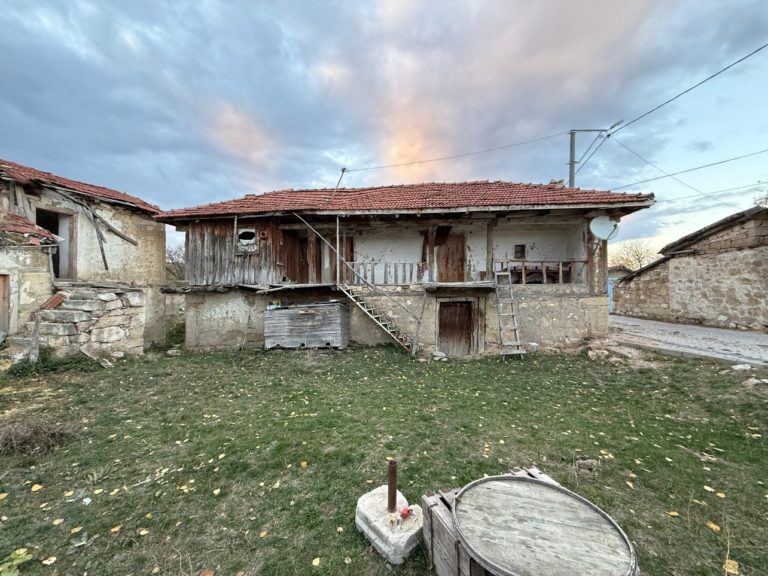
The house Emilie Haspels stayed in; the photo was taken in 2025. NIT archive.
The house still stands today. Recognizing its significance as a living heritage, the Netherlands Institute in Türkiye (NIT) and its partners‡ started a project to document and interpret the site. A Turkish-Dutch team documented the building’s architecture, construction, and current state to make Haspels’ legacy available to visitors. This project was part of the 100-year Friendship Treaty celebration between the Netherlands and Türkiye, highlighting the ongoing scientific and cultural ties between the two countries.
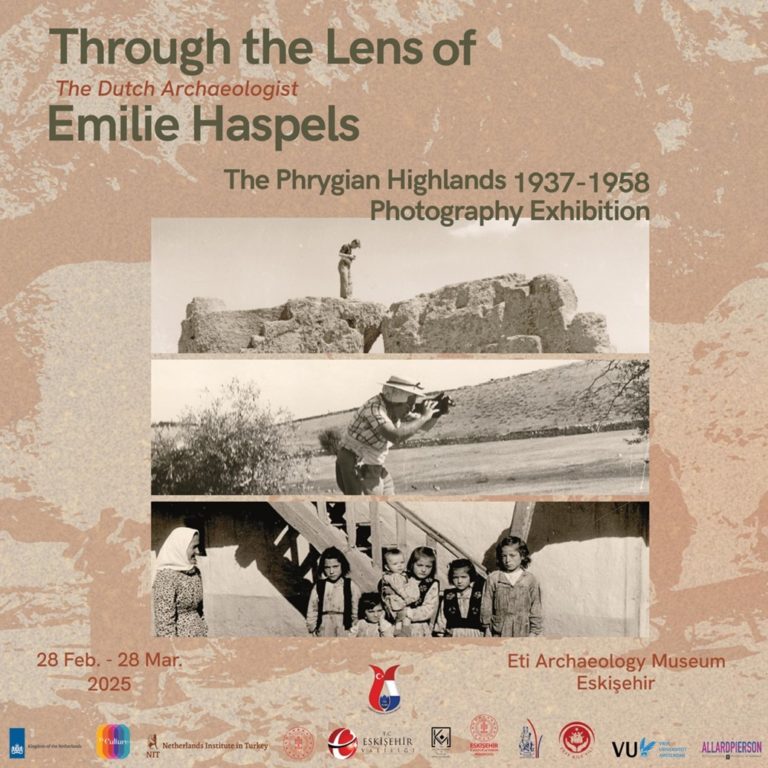
The exhibition poster. NIT archive.
Another part of the celebration program was a traveling exhibition, called Through the Lens of Emilie Haspels: The Phrygian Highlands 1937-1958,§ bringing a number of photographs Emilie Haspels took decades ago. During her campaigns, Haspels photographed tirelessly. Her camera captured not only the impressive rock-cut façades, burial monuments, and inscriptions of the Phrygian civilization, but also the landscape, its unique features, changing light, and the people who lived there. These photographs, along with her personal papers, letters, field notes, and drawings, are stored in the archive of the Allard Pierson Museum in Amsterdam. The exhibition was first held in Eskişehir in February 2025, then moved to museums in Afyonkarahisar and Kütahya, with plans for Istanbul in the future. For people living near the places she photographed, the exhibition offered a chance to see their heritage through the eyes of a dedicated visitor.
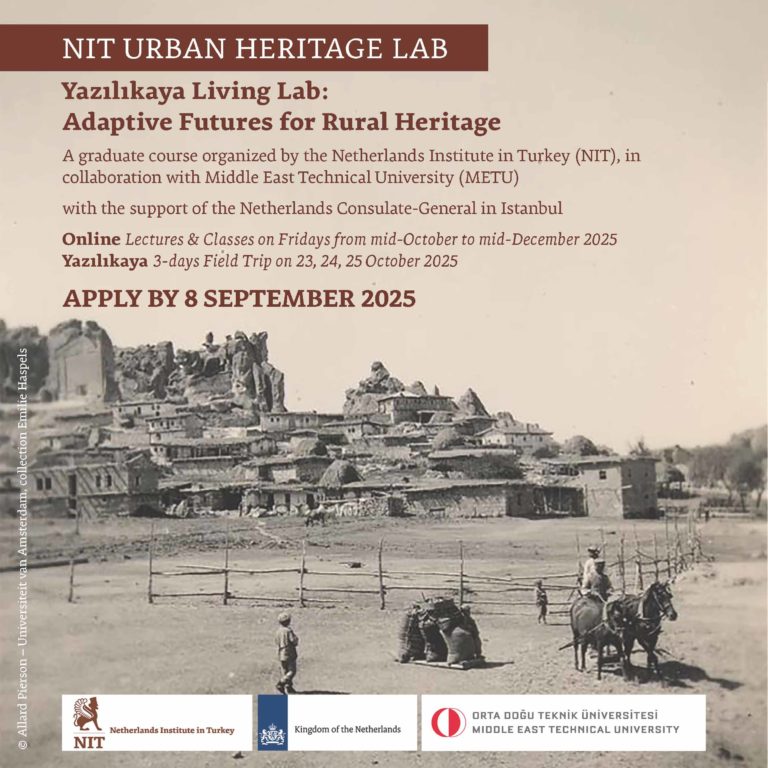
The UHL course poster. NIT archive. Yazılıkaya Village from Emilie Haspels’ camera. Allard Pierson Museum Archive.
Haspels’ house and photo archive also inspired new projects. The NIT Urban Heritage Lab 2025, a leading educational program, conducted fieldwork on the heritage, landscapes, and communities of the Phrygian Highlands. Postgraduate students and young professionals from archaeology, architecture, history, cultural heritage management, art, and related fields came together to tackle important questions: How can archaeology matter to local communities? How can we plan for sustainable futures in rural areas shaped by thousands of years of human activity? The program, Yazılıkaya Living Lab: Adaptive Futures for Rural Heritage, explored ways to protect and use the region’s rich heritage, support rural economies, and attract more visitors, while preserving the area’s special character and addressing challenges such as climate change and biodiversity loss. The Phrygian Highlands have been on UNESCO’s Tentative List since 2015, showing their rich archaeological sites, traditional buildings, and cultural landscape.
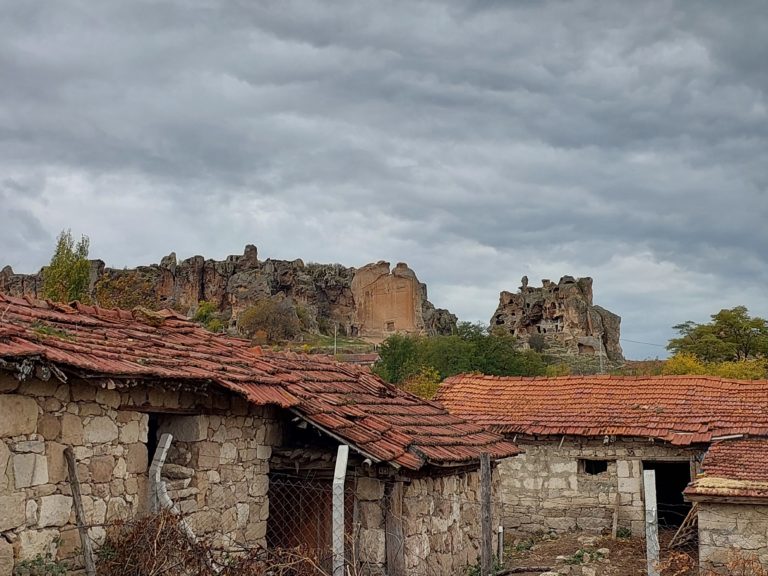
Yazılıkaya Village houses with the Midas Monument in the background. NIT archive.
The participants in the program highlight the many challenges and opportunities in the region: How can research sites become part of cultural memory? How can mapping link Yazılıkaya’s environment, archaeology, and social life? How can water shortages and climate resilience be addressed? How can rural communities take charge of their development by using heritage as a resource? Together, their work showed that rural heritage is always changing, shaped by people’s experiences and open to new meanings.
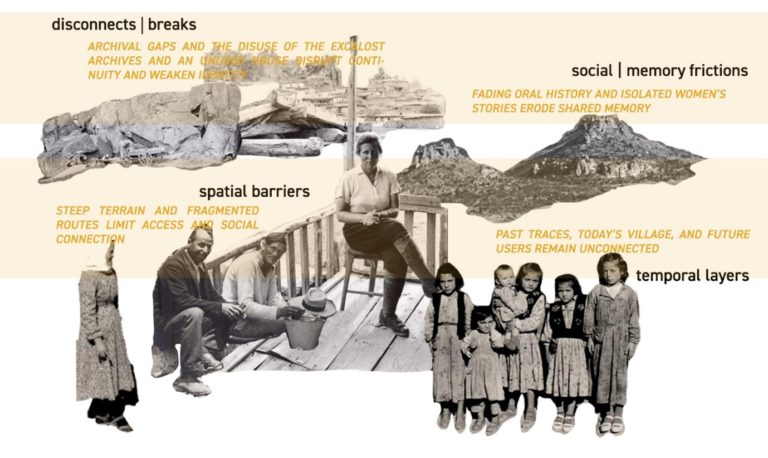
An image prepared by one of the participant groups of UHL 2025 course. NIT archive.
By exploring these questions in the village where Emilie Haspels once lived and called home, the participants carried on her legacy by facing challenges and carefully recording what they learned.
Emilie Haspels’ life cannot be summed up easily. She first trained as a classical archaeologist and expert in Greek pottery, but later became a leading authority on Phrygian rock monuments. She broke through barriers thanks to her outstanding, meticulous research. Haspels adjusted harsh conditions and spent decades turning the remains of a largely forgotten civilization into enduring academic work.
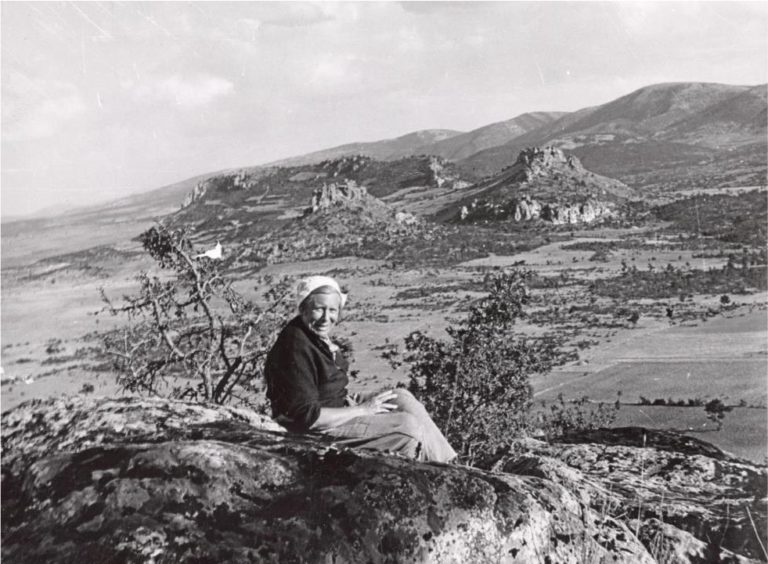
Emilie Haspels posing on top of Akpara Kale, with Gökgöz, Pişmiş, and Kocabaş fortresses in the background, on her 64th birthday. Allard Pierson Museum Archive.
The house in the village of Yazılıkaya, the archive in Amsterdam, the traveling exhibition, and the student projects inspired by her legacy all show the lasting impact of Haspels’ work. “Yazılıkaya” means “inscribed rock.” In a way, Emilie Haspels inscribed her presence into the landscape as indelibly as the ancient Phrygians. Like their monuments, her contributions are now being rediscovered.
* Berndt, D. (ed.). 2009. Emilie Haspels.I am the Last of the Travelers. Midas City Excavation and Surveys in the Highlands of Phrygia. Arkeoloji ve Sanat Yayınları.
Emilie Haspels’ memories, “het boekie” in her words, were published in an edited volume by Dietrich Berndt, with contributions by Halet Çambel in 2009.
† Songu, F. 2021. Emilie Haspels, archeoloog en avonturier. Leven en werk in Amsterdam and Anatolië, 1894-1980. Allard Pierson Museum & Walburg Pers.
An intriguing biography of Emilie Haspels was published by Filiz Songu in 2021. Many hidden details of her life can be found in this book.
‡ The project was initiated by the Netherlands Institute in Türkiye (NIT) together with Vrije Universiteit Amsterdam and the Middle East Technical University, with support from the Embassy of the Kingdom of the Netherlands in Ankara.
The exhibition was organized jointly by NIT, the Netherlands Embassy, Vrije Universiteit Amsterdam, the Allard Pierson, the Eskişehir Eti Archaeology Museum, and the Turkish Ministry of Culture and Tourism.